Indoor-outdoor living helps your home feel larger, brighter, and more connected to nature. It can also give you more space to cook, relax, entertain, and spend time with family.
In Baltimore, creating a comfortable outdoor space can be tricky. Winters get cold, summers are hot and humid, and spring weather does not always follow the forecast. The right design choices can help you enjoy your patio, porch, deck, or backyard during more months of the year.
Here are five indoor-outdoor living ideas that are practical, comfortable, and easy to make your own.
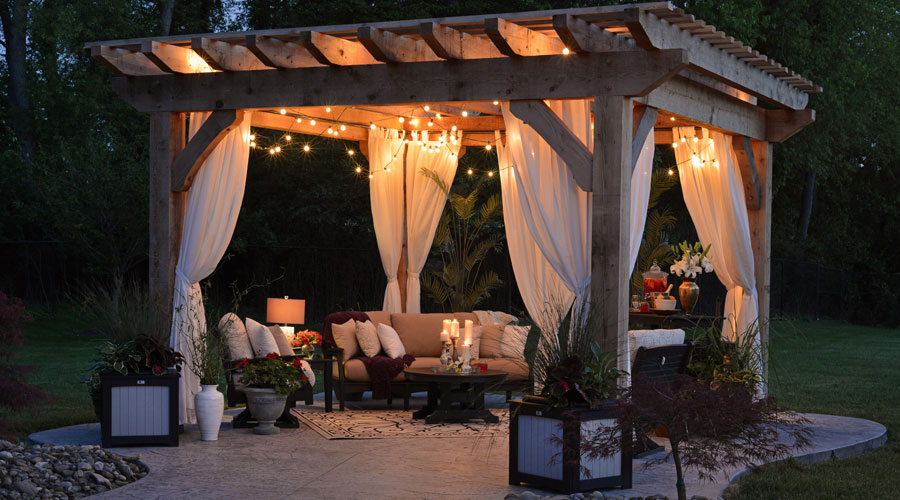
Add a Covered Outdoor Area
A covered outdoor area protects you from harsh sunlight, light rain, falling leaves, and even a surprise snow flurry. It also makes your backyard feel more like another room in your home.
A pergola is one of the most popular options. It can create shade while keeping the space open and airy. For more protection, add a solid roof, retractable canopy, or weather-resistant panels.
To give your covered patio the feel of an indoor room, consider adding:
- Comfortable outdoor furniture
- Potted plants
- A ceiling fan
- Soft lighting
- Outdoor curtains
- A grill or built-in cooking area
A wood-plank ceiling can add warmth and character, while a ceiling fan can keep air moving during Baltimore’s humid summers.
Working with a smaller patio or porch? A shade sail, awning, or large umbrella can provide coverage without taking over the space.
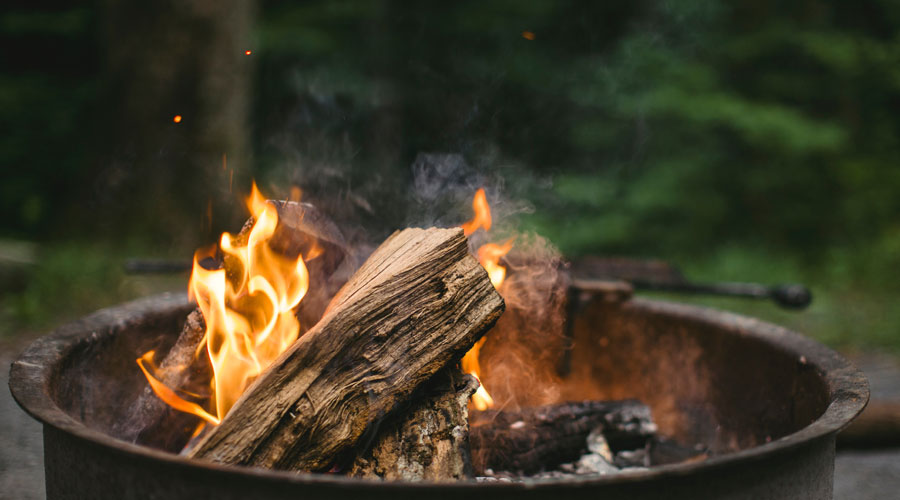
Warm Things Up With a Fire Feature
A fire pit can quickly turn a basic patio into a cozy place to gather. It creates warmth during the cooler months and adds a relaxing glow on summer evenings.
Gas fire pits are popular because they are easy to start and do not create the smoke, sparks, or cleanup that come with a wood-burning fire. Propane tabletop fire pits can also work well on smaller patios.
Other outdoor heating options include:
- Freestanding propane heaters
- Electric patio heaters
- Built-in fireplaces
- Fire tables
- Gas torches
Before adding a fire feature, check local rules and make sure it is placed a safe distance from your home, furniture, trees, and covered structures.
Finish the space with outdoor blankets, weather-resistant pillows, and a place to set drinks or snacks. Add popcorn and hot cider, and you have an outdoor movie night ready to go.
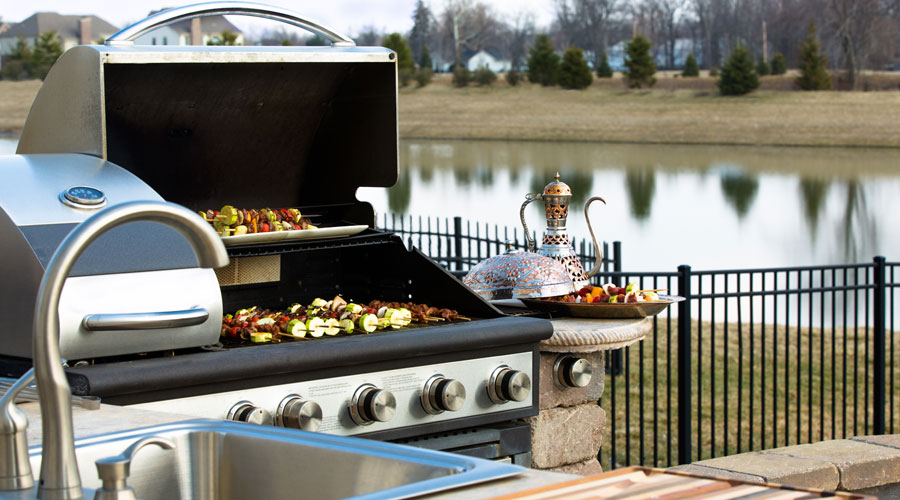
Build an Outdoor Cooking and Dining Space
Outdoor cooking can be as simple as firing up the grill or as detailed as building a complete outdoor kitchen.
The best outdoor kitchens are planned around the way you actually cook. Think about where you will prepare food, store supplies, serve drinks, and clean up afterward.
A permanent outdoor kitchen may include:
- A built-in grill
- Countertop space
- Weatherproof cabinets
- A sink
- A mini refrigerator
- A pizza oven
- A bar or serving area
Choose materials that can handle Maryland’s changing weather. Stone, brick, concrete, stainless steel, and properly sealed outdoor surfaces are usually better choices than materials made for indoor use.
Make sure appliances and electrical features are rated for outdoor conditions. Covers can also help protect grills, refrigerators, and cooking equipment from rain, snow, and debris.
Not ready for a full outdoor kitchen? Create a simple cooking station with a grill, prep table, cooler, and rolling drink cart. Add a picnic table or a few benches, and dinner is served.
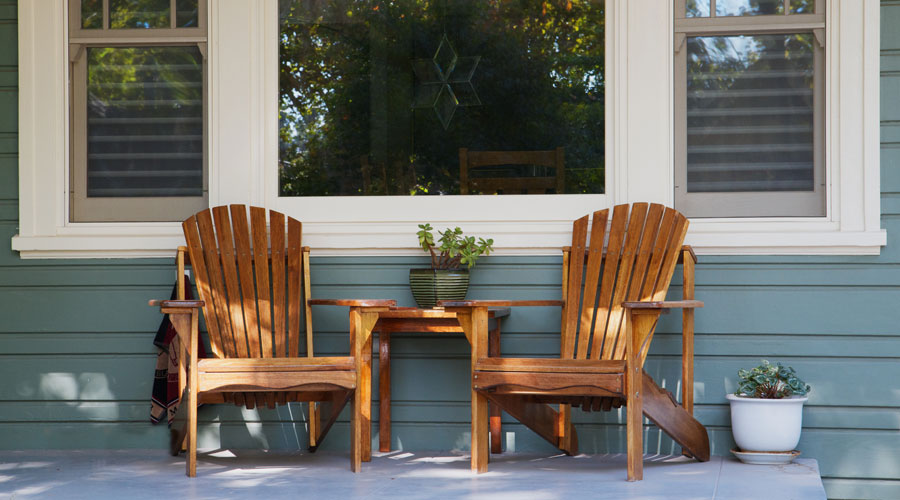
Choose Comfortable, Weather-Resistant Seating
Outdoor furniture should look good, but it also needs to survive sun, rain, humidity, and temperature changes.
Start by deciding how you want to use the space. A dining table may be best for family meals, while a deep seating set works better for relaxing and entertaining.
Popular outdoor seating options include:
- Sectional sofas
- Adirondack chairs
- Dining tables and chairs
- Hanging porch swings
- Built-in benches
- Lounge chairs
- Outdoor poufs
Look for fabrics labeled as water-resistant, fade-resistant, or UV-resistant. Powder-coated metal, teak, recycled plastic, and all-weather wicker are often strong choices for outdoor furniture.
Waterproof covers can help your furniture last longer, especially during Baltimore winters. You may also want a deck box or indoor storage area for cushions and smaller accessories.
Quality outdoor furniture may cost more at first, but it can save you from replacing worn or faded pieces every few years.

Use Outdoor Lighting to Set the Mood
Outdoor lighting makes your space safer, more comfortable, and more inviting after sunset.
String lights or market lights can create a warm, casual atmosphere over a patio or dining area. Wall-mounted lights help guests see steps and doorways, while path lights make it easier to move around the yard.
You can also use lighting to highlight landscaping, stonework, water features, or architectural details.
Consider combining several types of outdoor lighting:
- String lights for ambiance
- Path lights for walkways
- Step lights for safety
- Wall lights near doors
- Spotlights for trees and landscaping
- Under-counter lights for outdoor kitchens
Solar lights are simple to install, but hardwired or low-voltage landscape lighting may offer stronger and more dependable results.
Avoid making the space too bright. A mix of soft, targeted lights usually feels more relaxing than one powerful floodlight.
How Do You Create an Indoor-Outdoor Living Space?
To create an indoor-outdoor living space, start by making the transition between your home and yard feel natural.
Large doors, matching materials, comfortable furniture, shade, heating, and lighting can help the two areas feel connected. You do not need a huge backyard or a complete renovation. Even a small porch can feel like an extension of your home with the right layout and features.
Focus on how you want to use the area, then choose improvements that support that goal.
Start Planning Your Outdoor Living Space
Indoor-outdoor living gives you more ways to enjoy your home without adding a traditional room. With the right cover, seating, lighting, cooking features, and heating options, your outdoor space can become a comfortable place to relax throughout much of the year.
Whether you are updating a small Baltimore patio or planning a complete backyard renovation, start with one question: What would make you use this space more often?
The answer will help guide every design decision that follows.
Frequently Asked Questions About Indoor-Outdoor Living
What is indoor-outdoor living?
Indoor-outdoor living is a design approach that connects interior rooms with patios, decks, porches, or backyards. It often uses large doors, similar materials, comfortable furniture, lighting, and outdoor amenities to make the spaces feel connected.
How can I use my outdoor space year-round?
Add features that protect you from changing weather, such as a covered patio, pergola, outdoor heater, ceiling fan, fire pit, and weather-resistant furniture. Lighting can also help you enjoy the space after sunset.
Does an outdoor living space add value to a home?
A well-designed outdoor space may make a home more appealing to buyers and improve the way current homeowners use the property. The potential value depends on the quality of the work, local buyer demand, and how well the design fits the home.
What is the best material for an outdoor living area?
The best material depends on the project. Pavers, natural stone, brick, concrete, composite decking, stainless steel, and sealed wood are common choices because they can be designed for outdoor weather conditions.
Do I need a large backyard for indoor-outdoor living?
No. A small patio, balcony, deck, or porch can become a useful outdoor living area. Compact furniture, vertical plants, shade sails, tabletop fire features, and wall-mounted lighting can help make the most of a smaller space.